Multi-Project Wafer (MPW) runs are often described as a low-cost way to get first silicon. That’s true — but only if you understand what the MPW fee actually includes and, just as importantly, what it does not.
Many first-time teams underestimate MPW cost, not because MPW is expensive, but because critical cost items sit outside the MPW line item. This article explains MPW cost without vendor marketing, so you can decide whether MPW is the right path for your project.
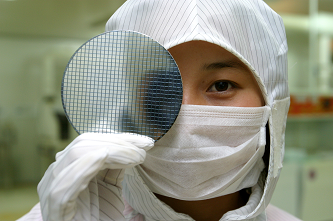
At its core, MPW means sharing a wafer with other designs. That’s where the cost advantage comes from.
A typical MPW fee includes:
This makes MPW dramatically cheaper than a full mask run, where you carry 100% of the mask cost yourself.
However, this is only part of the picture.
This is where surprises happen.
Most MPW fees do not include:
These costs are real, unavoidable, and often larger than teams expect. MPW reduces mask risk — not project risk.
MPW pricing varies by:
That’s why publishing a single price number is misleading.
In practice: MPW is significantly cheaper than full mask for first silicon
MPW becomes inefficient if:
If your design is already stable and volume is known, MPW may actually delay your project instead of saving money.
The real decision is not: “Which is cheaper?”
It’s: “Where do I want to pay for risk?”
This is why MPW is ideal for:
And risky for:
MPW runs follow fixed shuttle schedules.
If you miss a window:
For time-critical projects, schedule risk can outweigh mask savings.
There is no universal answer. MPW makes sense when:
Full mask makes sense when:
If you’re unsure, guessing is expensive.
Instead of relying on generic advice, use a quick decision check based on:
—
This helps you avoid the two most common mistakes:
MPW is not “cheap silicon”. It is risk-managed silicon.
Used correctly, it saves time and money. Used incorrectly, it delays projects and creates false confidence.
Understanding MPW cost is not about the price tag — it’s about knowing what problem MPW is meant to solve.