Jan 13th 2026 — Arm Holdings has reorganized its operations to create a new business unit focused on “Physical AI,” aiming to scale its presence in robotics and automotive computing platforms, company executives told Reuters during CES in Las Vegas.
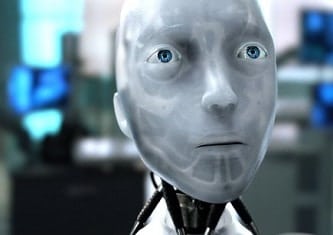
The move comes as robotics — particularly humanoid robots — emerged as a central theme at CES this year, with companies showcasing machines designed for industrial automation, manufacturing, and service tasks.
Under the reorganization, Arm will now operate through three main business lines: Cloud and AI, Edge — which includes mobile and PC technologies — and Physical AI. The new Physical AI unit will combine Arm’s automotive and robotics efforts, reflecting overlapping requirements in areas such as power efficiency, safety, and reliability.
Arm executives said robotics represents a long-term growth opportunity. Drew Henry, who leads the Physical AI unit, said the technology could significantly enhance productivity by automating physical labor, potentially contributing to broader economic growth. Arm also plans to expand staffing dedicated to robotics, according to Chief Marketing Officer Ami Badani.
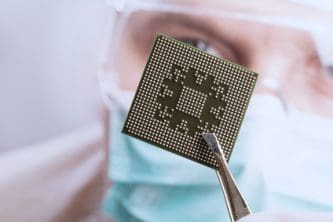
Arm does not manufacture chips but licenses processor architectures used in most smartphones and an increasing number of laptops, data center processors, automotive systems, and robots. The company earns revenue through licensing fees and royalties when its designs are deployed.
Arm-based chips are already used by numerous automakers and robotics companies, including Boston Dynamics, which is owned by Hyundai. The robotics firm recently unveiled a production-ready version of its Atlas humanoid robot, which Hyundai plans to deploy in U.S. factories by 2028.
Interest in humanoid robots has surged across the technology and automotive industries, with companies such as Tesla, Nvidia, and Mobileye also investing heavily in physical AI platforms that combine advanced sensing, computing, and artificial intelligence.