


body {
font-family: Arial, Helvetica, sans-serif;
color:#222;
line-height:1.72;
margin:0;
background:#fff;
}
article {
max-width:980px;
margin:0 auto;
padding:0 18px 42px;
}
h1 {
font-size:38px;
line-height:1.18;
margin:0 0 22px;
Read More
body{
font-family:Arial,Helvetica,sans-serif;
color:#222;
line-height:1.72;
margin:0;
background:#fff;
}
article{
max-width:980px;
margin:0 auto;
padding:0 18px 42px;
}
h1{
font-size:38px;
line-height:1.18;
margin:0 0 22px 0;
}
h2{
font-size:29px;
Read More

body{
font-family:Arial,Helvetica,sans-serif;
color:#222;
line-height:1.72;
margin:0;
background:#fff;
}
article{
max-width:980px;
margin:0 auto;
padding:0 18px 42px;
}
h1{
font-size:38px;
line-height:1.18;
margin:0 0 22px 0;
}
h2{
font-size:29px;
Read More
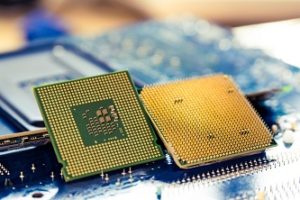
Looking for a BGA packaging company for prototype, low-volume or production semiconductor assembly?
AnySilicon helps semiconductor companies connect with IC packaging and assembly providers offering wire-bond BGA, flip-chip BGA, FCBGA, FBGA and custom substrate-based packaging services worldwide.
Submit your die, substrate, package, ball-count and production-volume requirements and
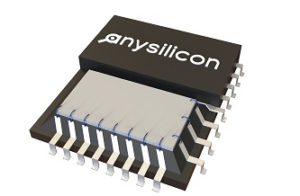
Looking for a QFN packaging company for prototype, low-volume or production assembly?
AnySilicon helps semiconductor companies connect with IC packaging and assembly providers offering standard and custom QFN packaging services worldwide.
Submit your die, package and volume requirements and AnySilicon can help identify suitable packaging partners for

Finding experienced ASIC verification engineers can be difficult when your chip project requires strong UVM, SystemVerilog, coverage, formal verification, protocol knowledge or complex SoC-level debug.
AnySilicon helps semiconductor companies, startups and engineering teams connect with ASIC verification engineers, UVM specialists, SoC verification experts, formal verification engineers, contractors and
Read More