

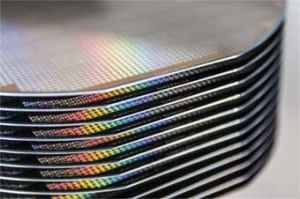
Multi-Project Wafer (MPW) runs are often described as a low-cost way to get first silicon. That’s true — but only if you understand what the MPW fee actually includes and, just as importantly, what it does not.
Many first-time teams underestimate MPW cost, not because MPW is expensive, but
Are you not sure whether an ASIC/Chip would be beneficial for you, please try this tool.
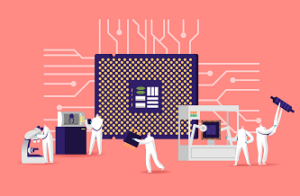
Deciding whether to build an ASIC is rarely a clear yes or no. Most teams arrive at the question gradually. FPGA costs rise. Power budgets tighten. Schedules slip. Supply risks appear. At some point, staying on the current platform feels increasingly uncomfortable — but committing to custom silicon feels risky.
Read More
Designing a product is one thing. Supporting it for ten years is another.
Teams building industrial, medical, infrastructure, or regulated products often discover that the hardest problems do not appear in year one. They appear in year five, seven, or nine — long after the original design decisions were made.
Read More
For startups, ASIC often feels like a forbidden topic.
Too expensive. Too risky. Too slow. Something only big companies with massive budgets can afford.
That perception is outdated — but the opposite mistake is just as dangerous.
Some startups wait far too long to consider ASIC. Others jump in far
ASIC is often framed as the “endgame” of hardware development.
Lower unit cost. Better power efficiency. Full control over silicon. It’s easy to assume that moving to ASIC is always a sign of maturity and success.
That assumption causes expensive mistakes.
In reality, some of the worst