


Developing high-performance analog ICs requires deep expertise, precise design methodologies, and strong understanding of process technologies. From power management and sensor interfaces to data converters and high-voltage applications, analog IC design is one of the most specialized areas in semiconductor development.
AnySilicon helps companies connect with experienced analog IC
Need Expert ASIC Design Support?
From concept definition to tape-out, ASIC development requires deep technical expertise, strong foundry relationships, and access to the right design resources. AnySilicon helps companies connect with trusted ASIC design consultants and experienced design houses for analog, mixed-signal, RF, digital, and full-custom IC development.
Read More

This interview features: Tomi-Pekka Takalo, CEO and co-founder at CoreHW.
Can you describe your company’s founding vision and how it has evolved to address the changing landscape of the semiconductor industry?
CoreHW was founded in 2013 by RF engineers with a vision to deliver high-quality custom

This interview features: Uttam Singhal, CEO, SignOff Semiconductors Pvt. Ltd.
Tell me a bit about your background? How did you first get started with your company?
I have spent over 25 years in the semiconductor industry, beginning my career in full-custom analog and memory design before transitioning
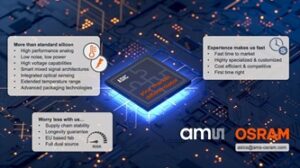
Discover how ams OSRAM’s ASIC customization, in-silicon innovation, and advanced packaging deliver reliable, efficient and high-performance sensing solutions for industrial and medical applications.
Customization to meet power, reliability, and integration needs in next-gen sensing
Across the industrial and medical sectors, engineers and product leaders face the same persistent dilemma: how to deliver smarter, more

Many teams talk about doing an ASIC long before they know whether an ASIC is actually feasible. In practice, ASIC feasibility is not a yes/no question.
It is a balance of economics, risk, schedule, and technical reality.
This article explains what really makes an ASIC project feasible —